



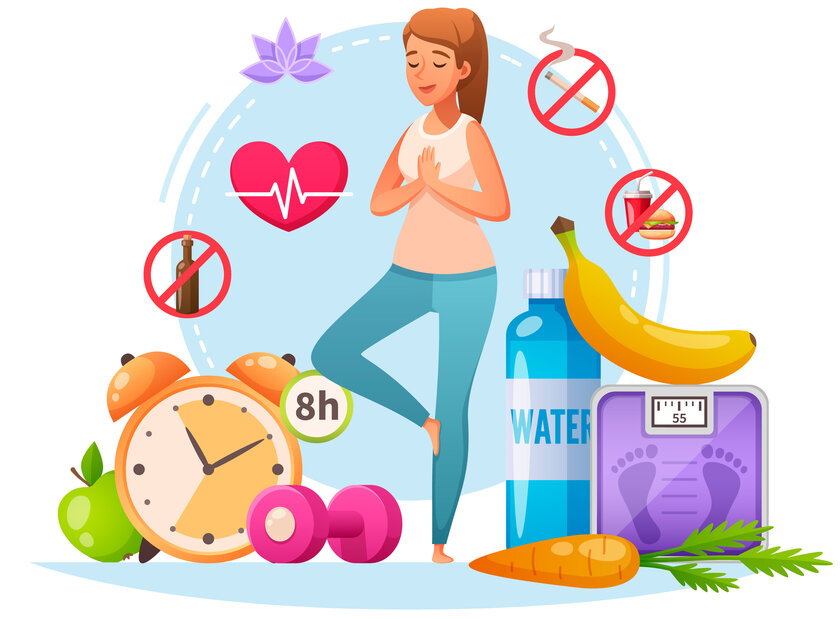
The Science of Healthy Habits: How Small Daily Actions Create Long-Term Wellness
Many people associate better health with dramatic lifestyle changes, strict diets, or highly demanding fitness routines that promise rapid transformation. While these approaches may occasionally produce short-term results, they are often difficult to maintain over extended periods. Long-term wellness is usually built through small daily actions that are repeated consistently rather than extreme efforts that eventually become overwhelming. Simple habits influence physical health, mental well-being, energy levels, productivity, and overall quality of life in powerful ways. Over time, these seemingly minor actions accumulate and create meaningful improvements that are far more sustainable than temporary solutions.
Scientific research continues to demonstrate that habits shape a large portion of human behavior. Daily routines influence eating patterns, physical activity levels, sleep quality, stress management, and countless other factors that affect health outcomes. Because habits become automatic over time, they reduce the need for constant decision-making and make healthy behaviors easier to maintain. Understanding how habits are formed and strengthened allows individuals to build systems that support wellness naturally rather than depending solely on motivation or willpower.
Lasting transformation is rarely the result of one major decision. It is usually the outcome of hundreds of small choices repeated consistently over time.
Why Habits Matter More Than Motivation
Motivation can be an excellent starting point for positive change, but it is rarely consistent enough to sustain long-term progress by itself. Motivation naturally fluctuates based on emotions, energy levels, life circumstances, and external influences. Many people begin wellness journeys feeling highly inspired, only to lose momentum when challenges arise or enthusiasm fades. Habits provide a more reliable foundation because they continue functioning even when motivation is low. Once a behavior becomes part of a routine, it requires less mental effort and becomes easier to maintain regardless of temporary changes in mood or circumstances.
Successful individuals often rely less on motivation and more on structured routines that support their goals automatically. Through repetition, the brain strengthens neural pathways associated with specific behaviors, gradually making them feel more natural and less demanding. This process allows healthy choices to become integrated into daily life rather than requiring constant self-discipline. By focusing on habit development, individuals create systems that continue producing results long after the initial excitement of a new goal has faded.
The Power of Small Daily Improvements
One of the most overlooked principles of wellness is the cumulative impact of small actions performed consistently. Many people underestimate how much progress can result from seemingly minor improvements because the benefits are not always immediately visible. However, small positive actions repeated daily often generate significant results over weeks, months, and years. Choosing healthier meals, taking short walks, drinking more water, or spending a few minutes practicing mindfulness may appear insignificant on a single day, but their long-term effects can be substantial.
These small improvements often create momentum that encourages additional positive behaviors. Success in one area can increase confidence and make it easier to adopt new habits in other aspects of life. As healthy behaviors begin supporting one another, individuals frequently experience improvements in energy levels, productivity, emotional well-being, and physical health. This compounding effect demonstrates why consistency is often more valuable than intensity when pursuing long-term wellness goals.
Habits That Support Physical Health
- Engaging in regular physical activity.
- Maintaining consistent sleep schedules.
- Prioritizing hydration throughout the day.
- Choosing balanced and nutritious meals.
- Reducing prolonged periods of inactivity.
Physical health is strongly influenced by everyday behaviors rather than occasional efforts. Consistent exercise supports cardiovascular health, muscular strength, mobility, and long-term disease prevention. Adequate hydration helps maintain energy levels and supports essential bodily functions, while balanced nutrition provides the fuel needed for recovery and performance. Maintaining healthy habits in these areas creates a stable foundation that supports both immediate well-being and long-term health.
Importantly, these habits do not need to be perfect in order to be effective. Sustainable progress is achieved through regular practice rather than strict adherence to unrealistic standards. Individuals who focus on gradual improvement often experience greater success than those who attempt extreme changes that are difficult to maintain. Consistency allows healthy behaviors to become integrated into daily life and produce lasting benefits.
Habits That Strengthen Mental Wellness
Mental well-being is influenced by daily routines just as much as physical health. Habits such as mindfulness, journaling, gratitude practices, reading, meditation, and spending time outdoors can support emotional stability and improve resilience to stress. These activities encourage reflection and provide opportunities to disconnect from the constant demands of modern life. Over time, they help create greater awareness of thoughts, emotions, and behavioral patterns.
Consistently investing in mental wellness habits can improve focus, emotional regulation, and overall life satisfaction. Individuals who make time for self-care and recovery often find it easier to cope with challenges and maintain a balanced perspective during difficult periods. Just as physical fitness develops through repeated effort, emotional resilience grows through regular practice and intentional daily habits.
Creating Habits That Last
Successful habit formation typically begins with simplicity. Attempting to change too many behaviors at once can create unnecessary pressure and reduce the likelihood of long-term success. Focusing on one or two manageable habits allows individuals to build confidence while gradually developing a stronger foundation for future growth. Small victories create momentum and reinforce the belief that meaningful change is possible.
Environment also plays a significant role in determining whether habits succeed or fail. Preparing healthy meals in advance, scheduling exercise sessions, keeping water accessible, and reducing distractions can make positive behaviors easier to perform consistently. By designing an environment that supports wellness goals, individuals reduce reliance on willpower and increase the likelihood of maintaining healthy routines over the long term.
Long-Term Wellness Through Consistency
Wellness is not determined by isolated actions or occasional periods of intense effort. Instead, it reflects the cumulative effect of countless daily decisions made over time. Every healthy choice contributes to a broader pattern that influences physical health, mental well-being, productivity, and overall quality of life. Consistency allows these small decisions to accumulate and create results that are both meaningful and sustainable.
By focusing on habits rather than quick fixes, individuals can build a lifestyle that supports wellness for years to come. Long-term success is rarely about perfection and more often about showing up consistently, making small improvements, and remaining committed to gradual progress. When healthy habits become part of everyday life, wellness becomes a natural outcome rather than a constant struggle.