



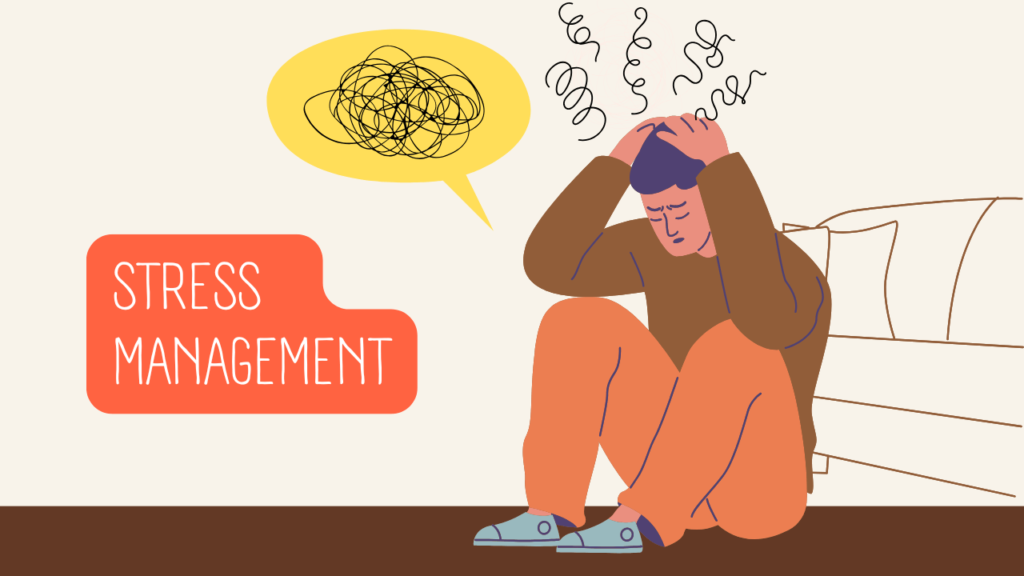
Stress Management in a Digital World: Practical Strategies for Better Mental and Physical Health
Modern technology has transformed the way people work, communicate, and access information. While these advancements have improved convenience and productivity, they have also created an environment where constant notifications, endless information, and continuous connectivity can contribute to rising stress levels. Many individuals find themselves mentally engaged throughout the day without adequate opportunities for recovery, making stress management more important than ever before.
Stress is not always harmful. In short periods, it can improve focus, motivation, and performance. However, when stress becomes chronic, it can affect sleep quality, physical health, emotional well-being, productivity, and overall quality of life. Understanding how to manage stress effectively is essential for maintaining long-term wellness in a highly connected world.
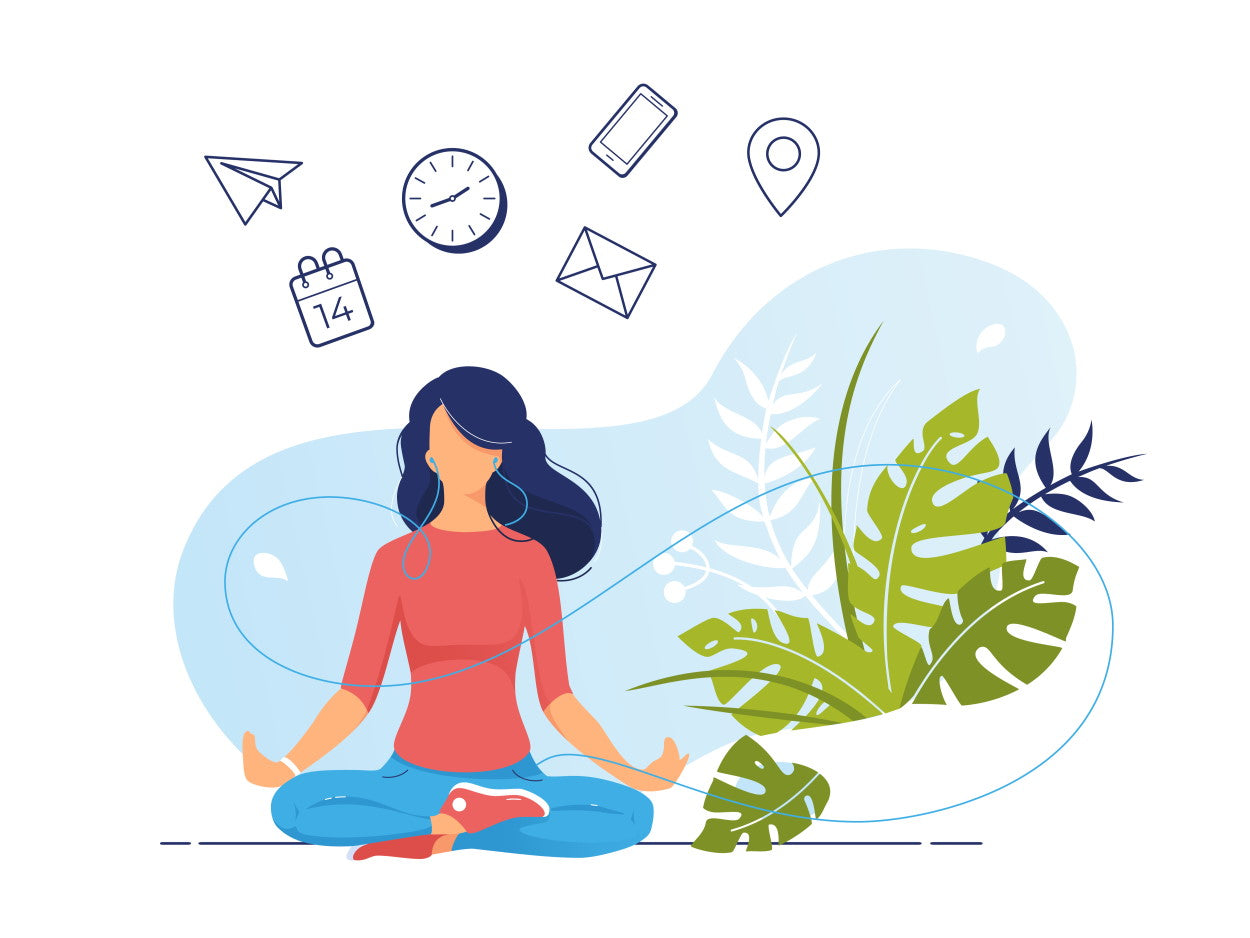
Managing stress is not about eliminating challenges; it is about developing the resilience to navigate them effectively.
Why Chronic Stress Affects the Entire Body
When the body experiences stress, it activates a natural biological response designed to help individuals react to challenges, threats, or demanding situations. This response triggers the release of stress hormones that increase alertness, elevate heart rate, and prepare the body for immediate action. While this mechanism is highly effective during short-term situations, problems arise when stress becomes a constant part of daily life. Prolonged activation of the stress response can place significant strain on multiple systems throughout the body, including cardiovascular health, digestion, sleep regulation, immune function, and hormonal balance. Over time, chronic stress can disrupt the body’s natural ability to recover and maintain stability, making overall wellness more difficult to achieve and sustain.
The effects of unmanaged stress often extend far beyond mental discomfort and can influence nearly every aspect of daily functioning. Individuals experiencing prolonged stress may notice persistent fatigue, difficulty concentrating, irritability, reduced motivation, headaches, muscle tension, and changes in sleep quality. As these symptoms accumulate, they can negatively impact work performance, personal relationships, physical health, and emotional well-being. Chronic stress frequently creates a cycle in which physical symptoms increase emotional strain, while emotional challenges further intensify physical discomfort. Recognizing these warning signs early and implementing healthy coping strategies can help prevent stress from developing into a more serious long-term health concern.
Digital Overload and Mental Fatigue
Modern technology has transformed communication, productivity, and access to information, but it has also created new challenges for mental well-being. Smartphones, social media platforms, messaging applications, emails, and online work environments have made it possible to remain connected at all times. While this constant connectivity offers convenience, it also reduces opportunities for mental recovery and uninterrupted focus. Many individuals spend large portions of their day switching between notifications, conversations, tasks, and information streams, forcing the brain to process far more input than it was originally designed to handle. This continuous stimulation can gradually contribute to cognitive overload and increased mental exhaustion.
Digital overload often affects concentration, productivity, and emotional balance in subtle but significant ways. Constant exposure to information can make it difficult to maintain attention on important tasks while increasing feelings of stress and overwhelm. Many people find themselves mentally occupied even during periods intended for rest, preventing the brain from fully recovering. Establishing healthy technology boundaries, such as limiting unnecessary notifications, scheduling screen-free periods, and creating dedicated time for focused work, can help reduce mental fatigue. These small adjustments encourage better concentration, improved emotional regulation, and a healthier relationship with digital devices.
Practical Habits for Stress Reduction
- Schedule daily periods away from digital devices.
- Practice mindfulness and deep breathing exercises.
- Engage in regular physical activity.
- Prioritize consistent sleep routines.
- Spend time outdoors whenever possible.
Effective stress management does not always require major lifestyle changes or complex wellness programs. In many cases, simple daily habits performed consistently can significantly reduce stress levels and improve emotional resilience. Practices such as mindfulness, physical activity, quality sleep, and regular breaks from technology help regulate the body’s stress response and create opportunities for mental recovery. These habits encourage greater self-awareness while supporting healthier emotional and physiological functioning. Over time, even small improvements in daily routines can produce meaningful benefits for both mental and physical health.
Consistency is often more important than intensity when it comes to stress reduction. Many people attempt to manage stress only when they begin feeling overwhelmed, but proactive habits are generally more effective than reactive solutions. By incorporating healthy routines into everyday life, individuals create a foundation that supports resilience during challenging periods. Regular movement, relaxation practices, outdoor activities, and intentional recovery periods help maintain balance even when external pressures increase. The cumulative impact of these habits can strengthen emotional well-being and improve overall quality of life over the long term.
The Importance of Recovery and Rest
In a culture that often prioritizes productivity and constant achievement, recovery is frequently overlooked despite being essential for long-term health and performance. The human body and mind require regular periods of rest to repair, adapt, and restore energy. Without adequate recovery, stress accumulates and eventually affects concentration, mood, motivation, decision-making, and physical performance. Many individuals attempt to solve exhaustion by working harder or increasing effort, when the underlying issue may actually be insufficient rest and recovery. Understanding the value of recovery is an important step toward creating a healthier and more sustainable lifestyle.
Recovery extends beyond simply getting enough sleep each night. Activities such as reading, meditation, spending time in nature, engaging in hobbies, practicing mindfulness, and connecting with supportive people all contribute to mental and emotional restoration. These experiences help reduce stress levels while allowing the nervous system to shift away from a constant state of alertness. By intentionally scheduling recovery into daily and weekly routines, individuals can improve resilience, maintain energy levels, and support both physical and psychological well-being. Long-term success often depends not only on effort but also on the ability to recover effectively.
Building Long-Term Resilience
Resilience refers to the ability to adapt effectively to challenges, setbacks, uncertainty, and periods of stress without becoming overwhelmed. Contrary to common misconceptions, resilience does not mean avoiding difficulties or remaining unaffected by adversity. Instead, it involves developing the skills, habits, and mindset necessary to recover from challenges while maintaining forward progress. Resilient individuals are generally better equipped to manage stress because they view obstacles as opportunities for growth rather than permanent barriers. This perspective allows them to respond more effectively to life’s inevitable ups and downs.
Building resilience is a gradual process that develops through consistent practice and healthy lifestyle choices. Physical activity, quality sleep, emotional awareness, supportive relationships, mindfulness practices, and balanced daily routines all contribute to greater resilience over time. Individuals who prioritize these areas often find it easier to manage stress, maintain focus, and adapt to changing circumstances. Rather than striving for a completely stress-free life, the goal is to strengthen the ability to navigate challenges while protecting overall well-being. This approach supports long-term mental health, physical wellness, and personal growth.